
Backyard Birding Is Mostly a Squirrel Problem
The birding chart is nectar, seed, and three different ways of losing an argument with a squirrel. Two of them actually work.
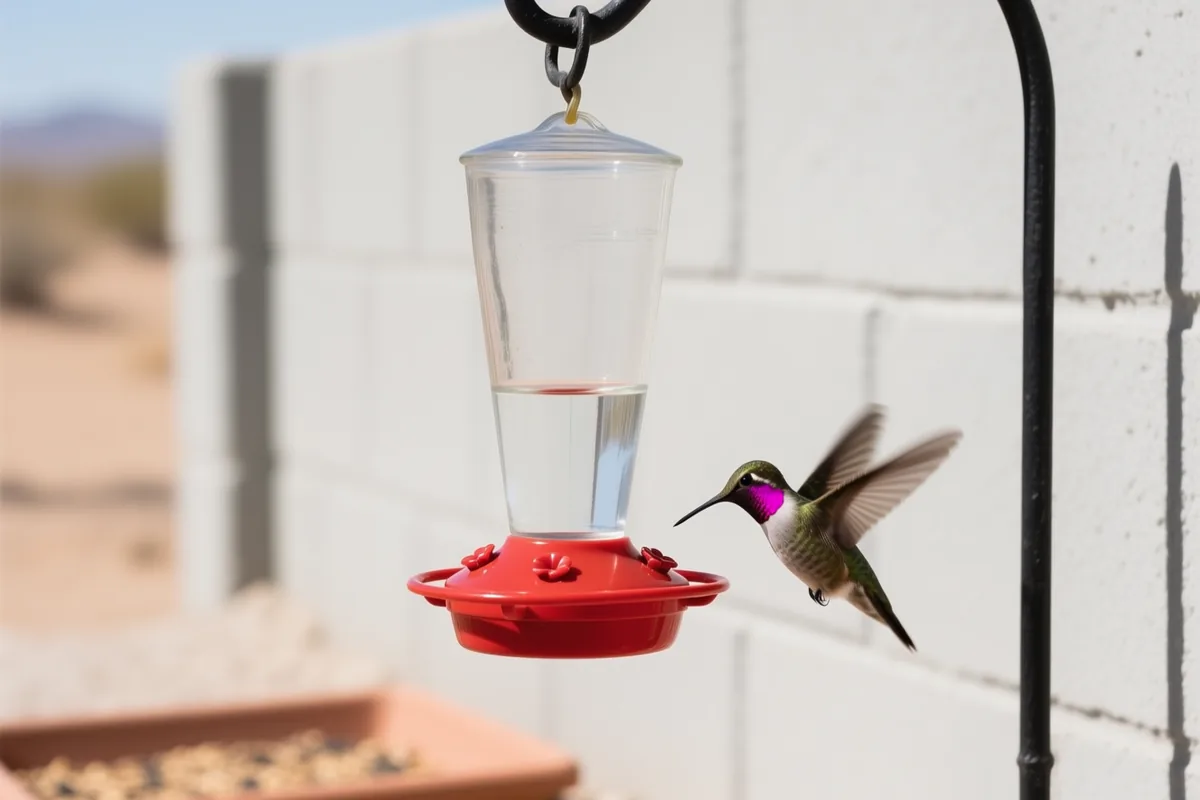
Gerðr’s name comes from the word for an enclosed piece of ground — a yard with a fence around it. Freyr saw her from Odin’s high seat and lost his mind over a walled garden, which anyone who has spent a season fighting for one will understand.
What the birding chart is actually about
Amazon’s backyard birding and wildlife chart, read today, ranks by units sold. The top eight: hummingbird nectar, wild bird food, a hummingbird feeder, no-mess seed, peanuts in the shell sold specifically for squirrels, another hummingbird feeder, safflower seed, and spicy anti-squirrel seed.
Three of those eight exist because of squirrels. One of them has surrendered and is feeding them on purpose.
That is the real shape of this hobby. You do not buy a feeder and then watch birds. You buy a feeder, lose it to squirrels, and then buy your way through a sequence of increasingly specific solutions until you find the one that works in your yard.
The three strategies, ranked by how well they work
The chart contains all three approaches at once:
- Feed something they do not want. Safflower. Cheapest, quietest, most effective, and the birds you want mostly do not mind. This is the one to try first and it is the one nobody mentions.
- Feed them something else on purpose. The peanuts. It works, in the sense that a fed squirrel is a busy squirrel, and it fails in the sense that you now have more squirrels.
- Make the seed unpleasant. The capsaicin route. Effective in principle, and its own customers rate it lowest of anything on the chart.
Where these picks came from, honestly
Straight off Amazon’s chart today — rank, star rating and review count all read at the same time, best-sellers first rather than editorial preference. These are research picks, not things off our own patio.
The one piece of first-hand context we will claim is climate, because it is ours and it changes the advice: this is written from the low desert, where hummingbirds are a year-round bird rather than a summer event, and where a sugar-water feeder in the sun is a food-safety problem by the second day. The nectar advice above is shaped by that and we have said so rather than leaving it as generic.
The one honest warning
A feeder is a commitment to a cleaning schedule, and that is the part the chart cannot tell you.
Dirty nectar ferments. Wet seed grows mould. A feeder that has been left three weeks in summer is doing active harm to the birds it attracted, which is the opposite of the point. If the honest answer is that nobody in the house will rinse it twice a week through August, a seed feeder in shade is the better buy than anything with sugar in it.
The picks
Kaytee Hummingbird ElectroNectar, ready to use
The number one product on Amazon's whole backyard birding chart, 4.6 stars across twenty-nine thousand ratings. It is ready-mixed and clear rather than red, which is the right call — the dye does nothing for the bird and the feeder's own red parts are what draws them in. Ready-to-use matters more than it sounds in a hot climate, where the alternative is boiling and cooling sugar water every couple of days.
- Best for
- Anywhere with hummingbirds year-round, which in the low desert is most of the year.
- Watch out
- Nectar spoils fast in heat. In a Phoenix summer a feeder in the sun can go cloudy in a day, and cloudy nectar is worse for the birds than an empty feeder. Hang it in shade and plan on emptying and rinsing it every day or two, not weekly.
Wagner's safflower seed, 5 lb
Number seven on the chart at 4.6 stars. Safflower is the quiet answer to the squirrel problem and almost nobody knows about it: cardinals, finches and doves eat it happily, and squirrels and grackles generally do not like it. You are not defeating the squirrel, you are serving something it does not want, which is a much easier fight to win.
- Best for
- Anyone whose feeder is being emptied in a day, and anyone who wants cardinals specifically.
- Watch out
- It narrows the guest list. Some birds you enjoy will also skip it, and there is an adjustment period where the feeder looks abandoned while the regulars work out what happened.
Kaytee Ultimate No Mess wild bird seed
Number four on the chart. It is hulled seed, so there are no shells — which means no growing pile of husks under the feeder, nothing sprouting in the gravel, and nothing rotting on a patio. The mess under a feeder is the single most common reason a feeder quietly comes down after a month.
- Best for
- Feeders over paving, gravel, a deck or anywhere the ground underneath is visible and cared about.
- Watch out
- Hulled seed has no shell protecting it, so it spoils faster in rain and humidity. Fill smaller amounts more often rather than loading the feeder up.
Wild Delight Sizzle N' Heat spicy bird seed
This is here as the honest one. It is a real top-ten seller with the mechanism people find delightful — the seed is treated with capsaicin, birds cannot taste it and mammals very much can. It also has the lowest average on the chart at 4.0 stars across four and a half thousand ratings, which is a long way below everything else here.
- Best for
- A determined squirrel problem where safflower has already been tried and lost.
- Watch out
- The low rating is the story. Common complaints are the coating shedding as dust and squirrels acclimating to it over time. Handle it with the same care you would handle chilli powder, and keep it away from your face and any pets.
We do not list prices; they change daily. The button opens the current Amazon page.