
Meal Prep Containers That Seal: Glass vs Plastic
Glass, plastic or silicone: most containers fail at the lid or the smell. What survives a dishwasher and a commute, and what stains and leaks.
Ægir brewed for the gods in a cauldron a mile wide, which sidesteps the problem the rest of us have: what to do with the leftovers.
Food storage is a category where almost everything looks the same and the failures are all in details you cannot see in a photo. Three things go wrong, and each has a different answer.
Failure one: the lid
Most containers do not really seal. They sit on, they clip at the corners, and they are fine upright in a fridge — then one goes sideways in a bag and you learn the difference between “airtight” as a marketing word and as a description.
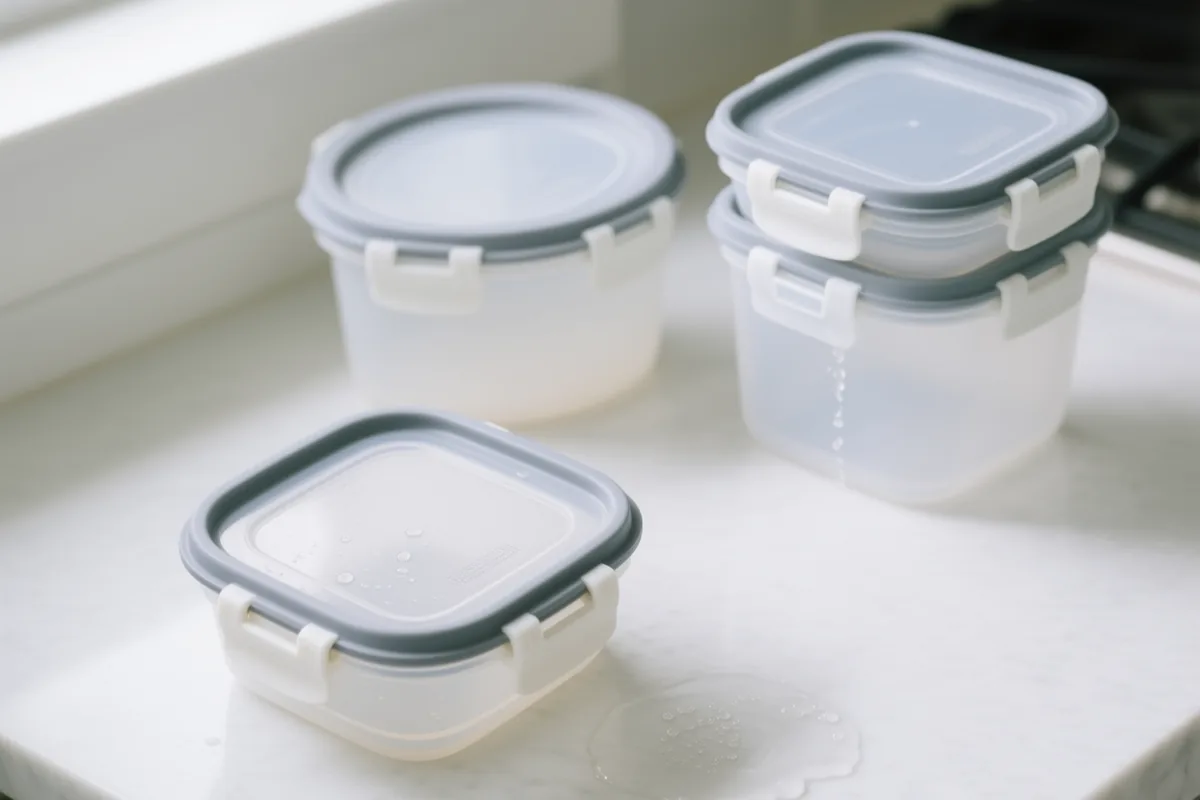
The design that actually works has a gasket and latches, so the lid is clamped against a seal rather than pressed onto a rim. It is slower to open, which is the trade.
Practical note: a leakproof lid is only leakproof while the gasket is clean and seated. The gasket is also where smells live, so on the sets where it lifts out, take it out occasionally.
Failure two: the plastic itself
Plastic stains and holds smells. Every manufacturer claims otherwise, and tomato sauce settles the argument.
This is the case for glass, and it is a real one. Borosilicate goes freezer to oven, does not absorb odour, does not discolour, and reheats without the question of what heat does to the container. The cost is weight and the fact that it breaks.
The sensible split most people land on: plastic for things that travel, glass for things that get reheated or stored more than a day or two. You do not have to pick a side.
One thing that genuinely reduces staining in plastic, whatever you buy: let hot food cool before it goes in. Hot oil and pigment drive into warm plastic far more than cold food does.
Failure three: the freezer
Freezer failure is not about containers at all. It is that food goes in as one large brick, and a large brick is an all-or-nothing decision on a Tuesday night.
Silicone portion trays fix that by making the freezing step do the portioning. Freeze in measured blocks, pop them out into a bag, put the tray back to work. Stock, soup, sauce, chilli — anything you make in a batch becomes something you can take one serving of.
Fill to the line, not above it. Liquid expands and the lid stops closing.
What we would skip
Enormous mixed sets with forty pieces. They are counted as lid-plus-base pairs, the sizes cluster around one useful shape, and you end up with a drawer of lids that fit nothing.
Anything sold as airtight without a visible gasket. If there is no seal in the photograph, there is no seal.
How we checked this
We have not bought these ourselves. This page is built the way the rest of the site is: owner reviews read over time — the ones written a year in, which is where lid warping, gasket smell and staining actually appear — the makers’ own material and temperature specifications, and the complaints that repeat across hundreds of reviews. Where a design detail is the reason something works, we have said which detail and why.
Prices change constantly, so we do not print them. Check the current price on Amazon.
The picks
Rubbermaid Brilliance containers (24-piece set)
Latching lids with a gasket, which is the only plastic design that genuinely survives a bag on its side. The clear lids also mean you can identify leftovers without opening them.
- Best for
- Lunches that travel, meal prep, and anything with sauce in it.
- Watch out
- Plastic still stains with tomato and curry regardless of the marketing. Let hot food cool before it goes in, and the staining drops sharply.
Vtopmart glass containers with locking lids (8-pack)
Borosilicate glass goes from freezer to oven and does not hold onto smells or stain, which is the thing plastic never solves. Heavier, and worth it for anything reheated.
- Best for
- Reheating, oven use, strong-smelling food, and anything stored more than a couple of days.
- Watch out
- The lids are not oven safe even when the dish is. Glass also does not forgive a hard temperature swing — do not take one from the freezer straight into a hot oven.
Souper Cubes silicone freezer trays with lids
Freezes soup and stock in measured portions, then pops out into a bag so the tray goes back to work. Solves the real freezer problem, which is not space but portioning.
- Best for
- Batch cooking, stock, sauces, baby food, and anything you want in single servings.
- Watch out
- Fill to the marked line and not above — liquid expands as it freezes and the lid stops sitting flat. Let frozen blocks sit a minute before pushing them out.
We do not list prices; they change daily. The button opens the current Amazon page.