
Vacuum Sealing Food: Worth It or Not
Two vacuum sealer bag listings sit in Amazon's small appliance top fourteen and no sealer machine does. The consumable outsells the thing that uses it.
At Ægir’s hall the ale never ran out. That is the detail the poems keep returning to — not the food, not the hall, the fact that the drink kept coming.
Preservation is the oldest kitchen problem there is, and every solution to it has been a way of keeping air away from something.
The chart sells the bags, not the machine
Amazon’s Kitchen Small Appliances chart, read this morning, top fourteen:
- Number seven: FoodSaver vacuum sealer bags.
- Number fourteen: generic vacuum sealer bags.
- No vacuum sealer machine anywhere in it.
The same pattern turns up on the kitchen storage chart, where FoodSaver rolls sit at fifteen and again no sealer appears.
This is now the third time we have hit this exact shape — air fryer liners without air fryers, printer filament without printers, sealer bags without sealers. A best-seller chart is a chart of consumables. The machine is bought once and disappears from the ranking forever; the thing it eats is bought every month by everyone who owns one, and rises.
For a shopper the practical consequence is specific: the chart will not help you choose the appliance, and it will tell you exactly what owning it costs. Two bag listings in a top fourteen is the running cost, made visible.
Is it actually worth it
The honest answer depends entirely on one question: do you freeze things for longer than a month?
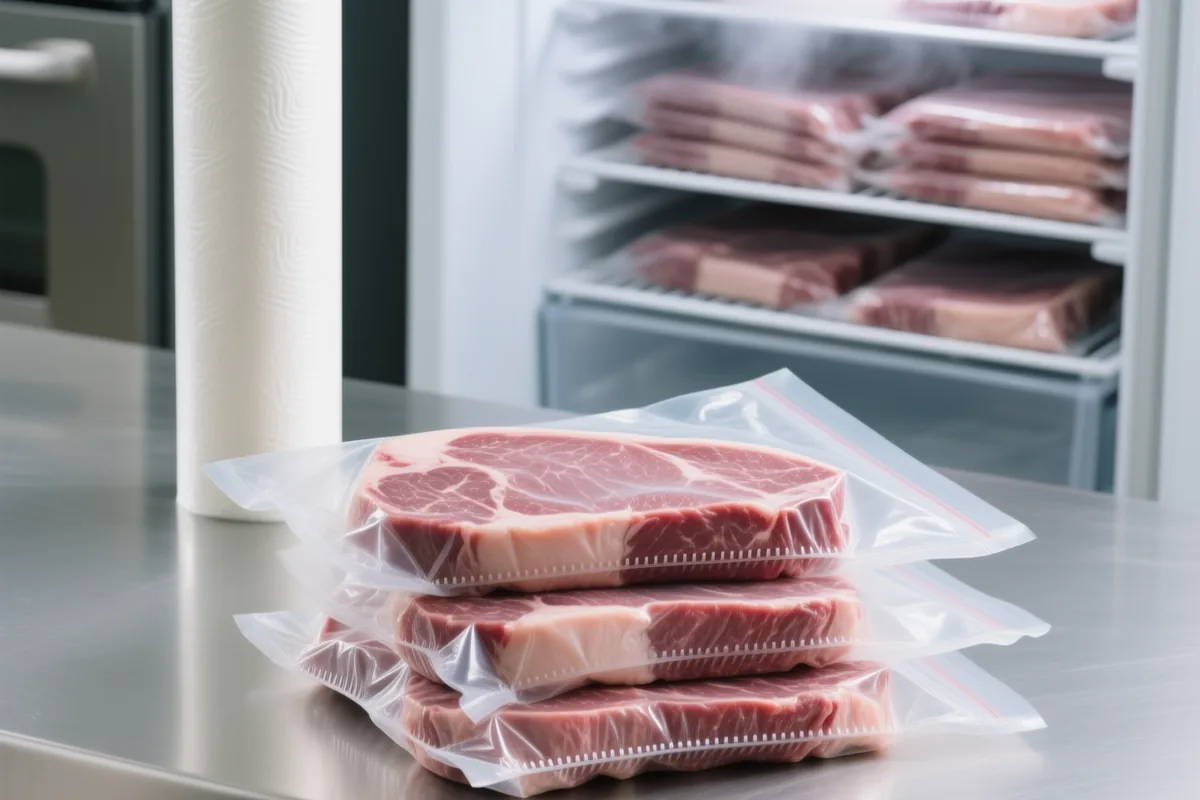
Vacuum sealing wins clearly on: meat and fish in the freezer, where removing oxygen genuinely prevents freezer burn rather than delaying it; bulk buying, where the whole economic case is portioning a large pack; sous vide, where a sealed bag is the method; and marinating, which happens faster under vacuum.
Vacuum sealing does nothing useful for: anything eaten this week, which a rigid airtight box handles for free; bread, which it crushes; soft fruit and cheese, which it crushes and suffocates respectively; and anything you would otherwise have eaten sooner, because a preservation method that lets you forget food for longer is not always a saving.
The arithmetic that matters is bags per month against what you actually rescue from the freezer. A household that buys a warehouse pack of chicken monthly and portions it comes out ahead quickly. A household that seals three things and then keeps the machine in a cupboard has bought a very slow bread bin.
What to buy first, honestly
Buy the containers first. For the majority of households the real problem is leftovers going off in three days, and that is an airtight box problem, not a vacuum problem.
Buy a sealer when you can name the specific thing you will seal every month. If the answer is “bulk meat” or “sous vide,” it earns its place immediately. If the answer is a general sense that food should last longer, it will not.
Where these picks came from, honestly
All three read off Amazon’s own charts this morning — Kitchen Small Appliances 289913 and Kitchen Storage and Organization 510136 — rank, rating and review count together, best-sellers first. All three are research picks. The absence of any sealer machine from both charts was checked by hand and is the reason this piece exists.
The one honest warning
Vacuum sealing creates an oxygen-free environment, and a small number of dangerous bacteria prefer exactly that.
This is the part the packaging does not emphasise. Removing oxygen stops the spoilage organisms that make food smell bad and look wrong — which is genuinely useful, and is also the mechanism by which food goes from safe-looking to unsafe without any warning signs at all. The organisms that thrive without oxygen, including Clostridium botulinum, are not inhibited by the vacuum and do not announce themselves by smell.
The practical rules are narrow and worth following exactly:
- A vacuum bag is not a substitute for refrigeration. Sealed food goes in the fridge or the freezer, never the cupboard, unless it is dry goods.
- Do not seal warm food, and do not seal soft cheeses, raw mushrooms or cooked rice for extended fridge storage — all are named specifically in food-safety guidance.
- Garlic in oil is the classic case and it is a genuine hazard, sealed or not.
- Sealed and refrigerated is days, not weeks. The long timelines on the box are freezer timelines.
None of this is a reason to avoid vacuum sealing. It is a reason to understand that what you have removed is the warning system as well as the spoilage, and to let the calendar rather than your nose decide.
The picks
FoodSaver custom length vacuum sealer bags, 5 count rolls
Number seven on Amazon's Kitchen Small Appliances chart this morning and number fifteen on kitchen storage, 4.8 stars across twenty-eight thousand ratings — the highest-rated thing in either of those top fifteens. Rolls rather than pre-cut bags, so you cut the length the food needs. That is the difference between sealing a whole salmon fillet and sealing it in two pieces because the bag was short.
- Best for
- Anyone who already owns a sealer, bulk meat, and portioning a warehouse-club pack into meals.
- Watch out
- Rolls need a sealer that can seal both ends — every machine does, but it is two operations rather than one and people forget. And a roll is embossed on one side; put it in the wrong way round and the machine cannot draw air out.
Vacuum sealer bags for food, 6 pack, 3 rolls plus pre-cut
Number fourteen on the same appliance chart, 4.4 stars across four thousand five hundred ratings. A generic alternative to the branded rolls above at a fraction of the cost, and it is here to make a point that matters more than the product: **sealer bags are not proprietary.** The machines take any correctly embossed bag, and the brand on the box is the least important thing about it.
- Best for
- Anyone who has worked out that the bags cost more over a year than the machine did.
- Watch out
- Its 4.4 against the FoodSaver's 4.8 is the gap to think about — the recurring complaint on cheap bags is seals that fail in the freezer weeks later, which you discover as freezer burn rather than as an obvious fault. Test a cheap brand on something you can afford to lose before committing a side of beef to it.
Rubbermaid Brilliance airtight food storage containers
Number nine on the kitchen storage chart, 4.7 stars across fifty-nine thousand ratings, and on this page as the honest alternative. For everything kept less than about a week — leftovers, lunches, prepped vegetables — a genuinely airtight rigid container does the same job as a vacuum bag, costs nothing per use, and does not need a machine.
- Best for
- Fridge storage, lunches, anything eaten within days, and households where vacuum sealing would be used twice and then live in a cupboard.
- Watch out
- Airtight is not the same as vacuum. It slows oxidation; it does not remove the oxygen. For long freezer storage that difference is the entire point of the exercise.
We do not list prices; they change daily. The button opens the current Amazon page.